

Why cacao
Cacao vs Cocoa. Pharmacologically Cacao is one of the richest plants but most people have never truly experienced it.
Cacao was revered for millennia for how it made people feel: by Maya priests, Aztec emperors, Spanish conquistadors and the courts of Europe. Here is the chemistry behind that feeling, the real difference between cacao and cocoa, and exactly how modern chocolate takes it away.
Epicatechin, Theobromine, Procyanidins, Anthocyanins, Anandamide, Nitric oxide, 380+ compounds

One seed · 380+ compounds
Cacao and cocoa are not the same
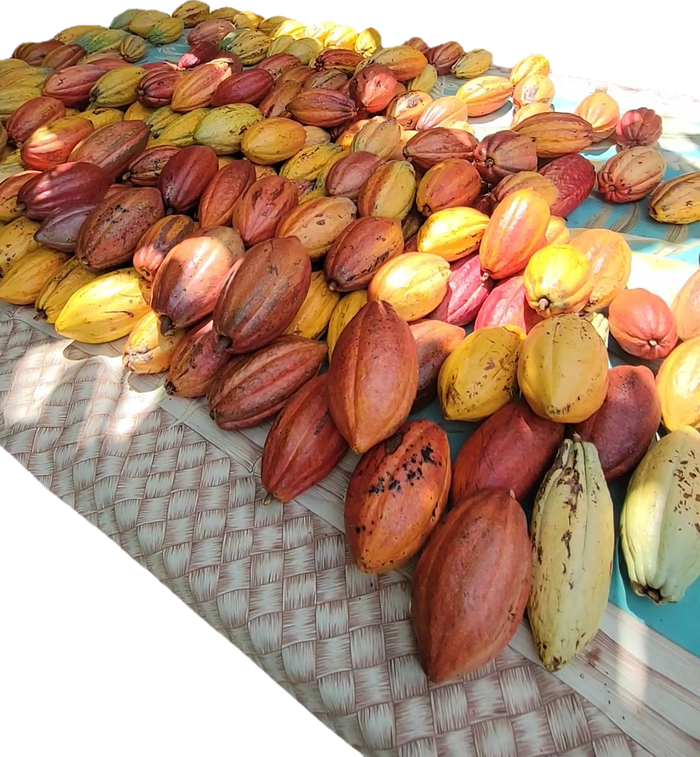
Both come from the same tree, Theobroma cacao, “food of the gods.” The difference is everything that happens after harvest. Cacao is the seed as nature made it: raw, unfermented, unroasted, intensely bitter and chemically alive. Cocoa is what that seed becomes after fermentation, roasting, pressing and often alkalization: the mild, brown ingredient inside almost every chocolate product on earth.
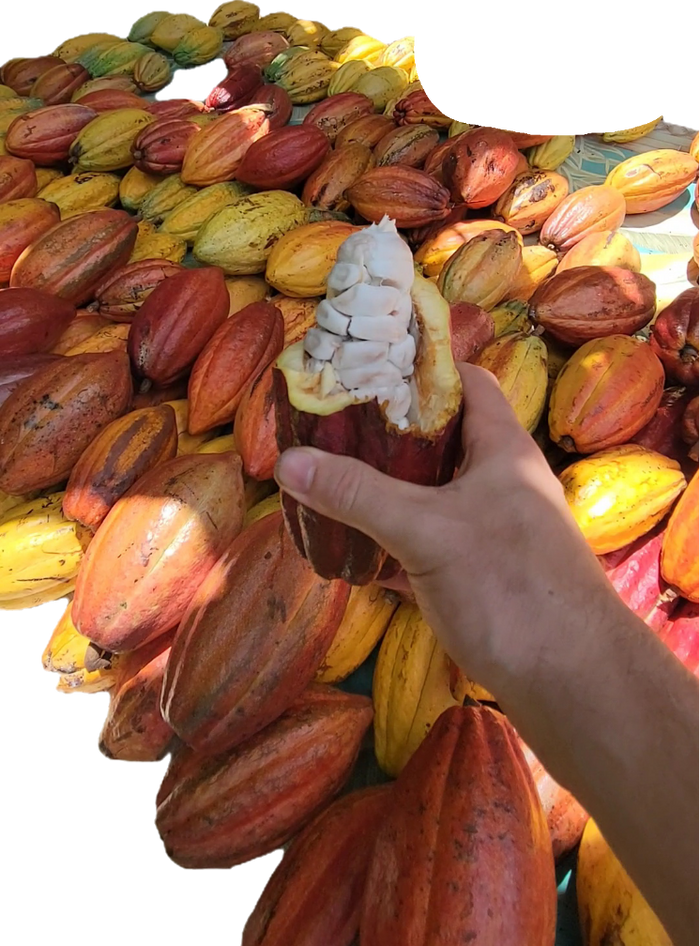
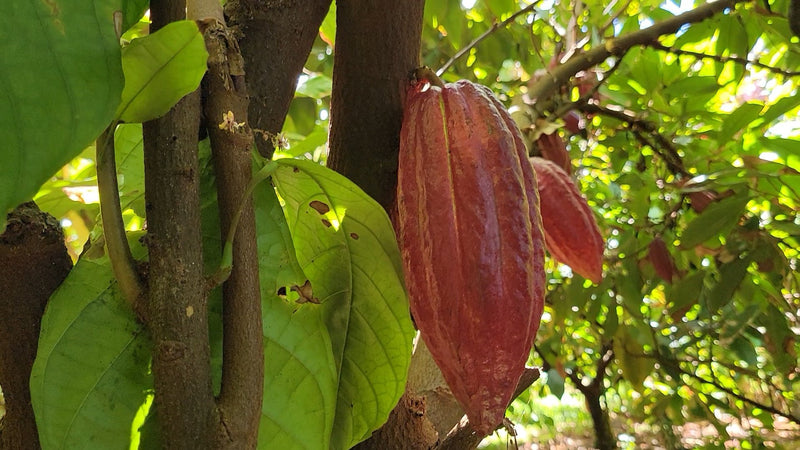
Inside the raw seed is one of the most chemically complex foods in the botanical world. More than 380 constituents have been identified, and polyphenols alone make up an astonishing 12–18% of its dry weight. Slice one open and it glows violet. And here is the twist that shaped five centuries of history: many of cacao's most biologically interesting molecules are precisely the ones responsible for its bitterness.
Flavanols
(−)-epicatechin and (+)-catechin: the molecules at the center of decades of human clinical research on blood flow, brain function and healthy aging.*
Procyanidins & anthocyanins
Chains of linked flavanols and the violet pigments of the raw seed. Many travel to the gut, where your microbiome turns them into new bioactive metabolites.*
Methylxanthines
Theobromine, roughly 2–3% of the dry bean, with only a trace of caffeine. Cacao's lift comes mostly from theobromine, not caffeine.
The “bliss” molecules
Anandamide, named from the Sanskrit ananda, “bliss,” plus related compounds that may slow its breakdown, and phenylethylamine. Captivating chemistry, though amounts are small and human evidence is still early.*

Why raw cacao?
Preservation changes the starting material
Our philosophy begins with a simple question: why process away the chemistry that made cacao worth studying in the first place?
Fermentation, roasting and alkalization substantially alter the flavanol profile and even the stereochemistry of the seed. In one study of commercial cocoa powders, natural cocoa averaged about 34.6 mg of flavanols per gram, while heavily alkalized cocoa held just 3.9 mg/g (Miller et al., J Agric Food Chem 2008). The difference is not cosmetic. It is chemical. Even the FDA's cocoa flavanol claim hinges on the words naturally conserved.
So we start where the chemistry begins. Living Synergy uses raw, non-fermented, non-roasted, cold-processed cacao, protected with cold-process and cryogenic techniques to preserve the native phytochemical architecture of the seed. Cacao does not grow in the continental United States, and fresh raw cacao is nearly impossible to find there, so we built the access ourselves.

What the regulators concluded
Even conservative regulators drew the line at processing
In February 2023, after a four-year review, the U.S. Food and Drug Administration announced enforcement discretion for a qualified health claim about cocoa flavanols. The terms are the revealing part: it applies only to high-flavanol cocoa powder containing at least 4% naturally conserved cocoa flavanols, and explicitly not to regular cocoa powder, milk chocolate, chocolate syrup or baked goods.
In other words, a federal regulator reviewing the full evidence concluded that ordinary commercial chocolate does not reliably contain enough of the active compounds, and drew the line at a phrase that exists specifically to exclude heavily processed material.
The European Food Safety Authority reached a compatible conclusion by a different route, authorizing in 2012 the statement that cocoa flavanols help maintain the elasticity of blood vessels, contributing to normal blood flow, at 200 mg per day, later extended to capsules and tablets.

The human evidence
What the clinical research actually shows
The cacao literature is vast, which is exactly what makes its strongest findings so compelling. Here is where randomized human research stands:
A note on dose: most of these trials used roughly 400–1,000 mg of cacao flavanols a day. They show what cacao's compounds can do in controlled research, not a guaranteed result from any single product.
Blood flow & vascular function
The most replicated finding in cacao science. Meta-analyses of randomized trials show cocoa flavanols consistently improve flow-mediated dilation, the gold-standard measure of how well blood vessels relax, often within hours of a single serving.*
Blood to the brain
In older adults, flavanol-rich cocoa increased blood flow in the brain's middle cerebral artery by about 10% within two weeks (Sorond, 2008), and brain imaging shows increased cerebral perfusion after a single dose (Francis, 2006).*
Oxygen under pressure
When healthy adults breathed air enriched with carbon dioxide, a flavanol dose produced a faster, larger oxygenation response in the frontal cortex and better performance on the hardest cognitive tasks (Gratton, Scientific Reports 2020).*
Cognition in older adults
In the 90-person CoCoA trial, eight weeks of high- or medium-flavanol cocoa improved attention, processing speed, working memory and verbal fluency in cognitively healthy older adults, compared with a low-flavanol drink (Mastroiacovo, AJCN 2015).*
Mental fatigue & mood
A single flavanol dose improved performance during sustained, demanding mental work and reduced mental fatigue (Scholey, J Psychopharmacol 2010). Thirty days of cocoa polyphenols increased self-rated calmness and contentedness (Pase, 2013).*
Metabolic health
In healthy adults, flavanol-rich dark chocolate improved insulin sensitivity within 15 days compared with white chocolate (Grassi, AJCN 2005).*
What regulators concluded
In 2023 the FDA allowed a qualified health claim for high-flavanol cocoa powder containing at least 4% naturally conserved flavanols, while describing the evidence as very limited and excluding ordinary cocoa and chocolate. Europe's EFSA recognizes 200 mg of cocoa flavanols daily for maintaining healthy blood-vessel elasticity.
Twenty years of breakthroughs
The landmark studies
Swipe through the discoveries that turned cacao from a confection into one of the most studied botanicals in nutrition science.
-
01
2006 · PNAS — The molecule is found
Given on its own, pure (−)-epicatechin reproduced the blood-vessel effects of flavanol-rich cocoa by raising nitric oxide. Cacao's key active finally had a name (Schroeter et al.).*
-
02
2010 · JACC — Vessel-repair cells double
In a 30-day double-blind crossover trial, high-flavanol cocoa more than doubled circulating angiogenic cells, the progenitor “stem” cells that maintain and repair vessel linings, and improved vascular function by 47%. Participants were older adults with heart disease on standard care (Heiss et al.).*
-
03
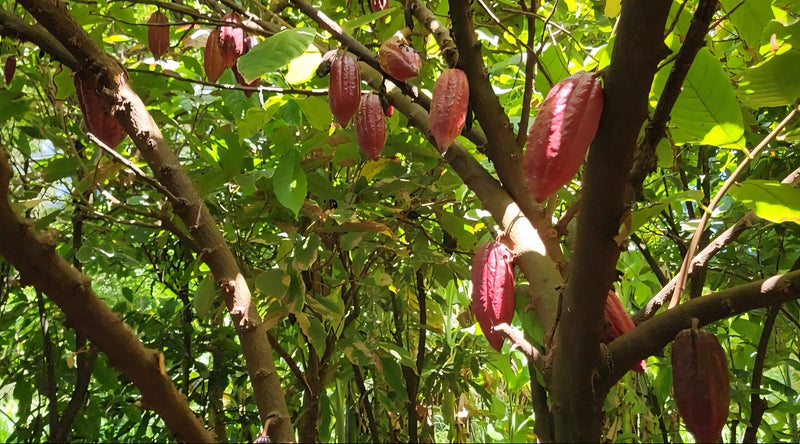
2012 · AJCN — 42 trials, one signal
A meta-analysis of 42 randomized trials found cocoa and chocolate consistently improved flow-mediated dilation and lowered insulin resistance (Hooper et al.).*
-
04
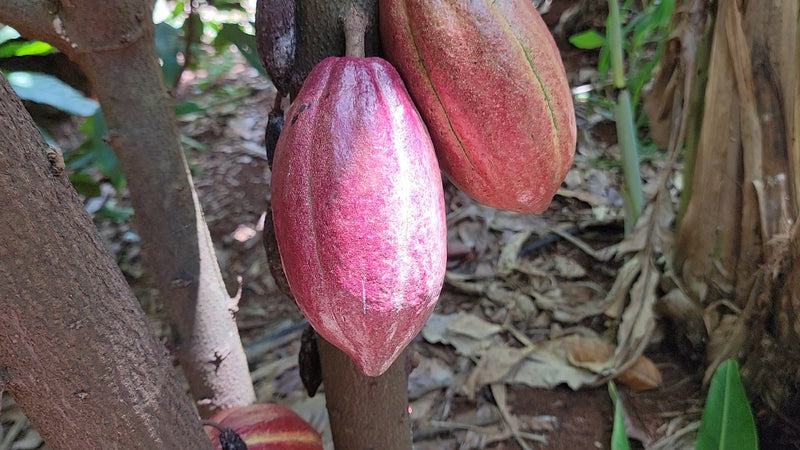
2014 · JACC — The stress-hormone buffer
A single serving of flavanol-rich dark chocolate blunted cortisol and adrenaline surges during a stressful mock job interview, and higher blood epicatechin tracked with a calmer adrenal response (Wirtz et al.).*
-
05
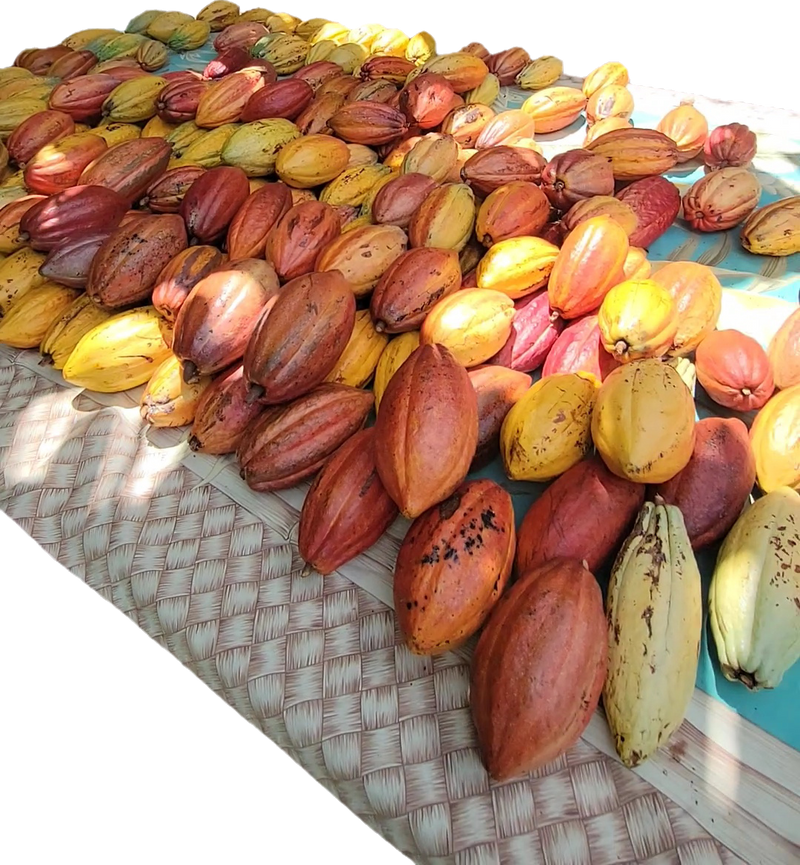
2014 · J Nutr Biochem — Muscle signals
Seven days of (−)-epicatechin raised grip strength by about 7% and shifted the follistatin-to-myostatin ratio, the body's own growth-versus-brake signals for muscle, in a small human pilot (Gutierrez-Salmean et al.).*
-
06
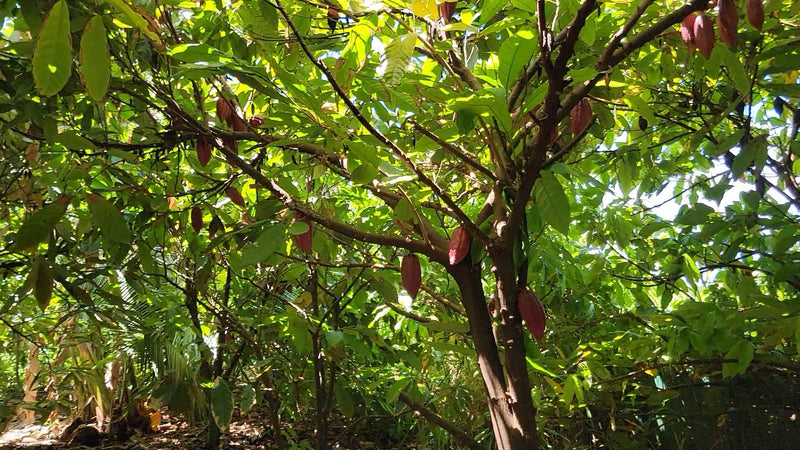
2015 · JISSN — Cyclists go further
Two weeks of daily dark chocolate lowered the oxygen cost of moderate cycling, raised the gas-exchange threshold and increased distance in a two-minute time trial (Patel et al.).*
-
07
2018 · JAMA Ophthalmology — Sharper sight
Two hours after eating dark chocolate, young adults showed small improvements in visual contrast sensitivity and acuity compared with milk chocolate (Rabin et al.).*
-
08
2023 · PNAS — The flavanol gap
In the 3,500-person COSMOS-Web study, older adults with the lowest habitual flavanol intake saw memory improve with supplementation, leading researchers to argue that a low-flavanol diet may itself hold the aging brain back (Brickman et al.).*
Ingredient research, often at doses higher than a single serving. Findings are not guarantees of individual results.

In the researchers' words
Memory, measured in decades
…had the memory of a typical 30- or 40-year-old.
Dr. Scott Small, Columbia University, describing participants who began with the memory of a typical 60-year-old (Nature Neuroscience, 2014)
The Columbia team gave healthy adults aged 50 to 69 either a high- or a low-flavanol cocoa drink every day. After three months, brain imaging showed increased blood volume in the dentate gyrus, the hippocampal hub tied to age-related memory decline, and the high-flavanol group performed significantly better on a memory task. The researchers called for larger studies to confirm it.*
One detail is the whole point. The drink was made with a special process designed to protect the flavanols that conventional processing destroys. The results came from cacao chemistry that had been preserved, not processed away.

Theobromine vs. caffeine
Cacao's signature molecule
Theobromine (3,7-dimethylxanthine) is a naturally occurring purine alkaloid, a structural cousin of caffeine and theophylline, and the primary methylxanthine in the cacao bean. Its name comes from the tree itself, Theobroma, “food of the gods,” and it is responsible for the gentle, sustained uplift the Aztecs prized. One missing methyl group changes how it behaves in the body.*
Blood flow. Where caffeine acutely constricts blood vessels, theobromine is a vasodilator. It inhibits phosphodiesterase (PDE) enzymes and raises cyclic AMP (cAMP) in vascular smooth muscle, relaxing and opening vessels and lowering resistance to healthy blood flow.*
Sustained energy, without the jitters. Theobromine is a milder adenosine-receptor antagonist than caffeine, enters the brain more gradually and stays active far longer. The result is a subtle, long-lasting lift in mood and alertness without sharp spikes or a crash.*
Metabolism & cholesterol. The same cAMP signal that relaxes blood vessels also helps cells mobilize stored energy. In a 152-person randomized trial, 850 mg of theobromine daily for four weeks reduced LDL (“bad”) cholesterol and apolipoprotein B while raising HDL (“good”) cholesterol by about 10% (Neufingerl, AJCN 2013). A follow-up trial found 500 mg a day also lowered LDL (Smolders, Frontiers in Molecular Biosciences 2017).*
Better together. Paired with cacao flavanols, methylxanthines improved blood-vessel function more than flavanols alone and raised circulating epicatechin (Sansone, Br J Nutr 2017). Cacao is more powerful as a matrix than as any isolate, which is exactly how we formulate.*
Methyl groups
Theobromine: 2 (dimethylxanthine) · Caffeine: 3 (trimethylxanthine)
Half-life
Theobromine: ~7–12 hours · Caffeine: ~2.5–5 hours
Nervous system
Theobromine: mild, smooth, sustained · Caffeine: strong, rapid
Blood vessels
Theobromine: vasodilator, opens vessels · Caffeine: vasoconstrictor (acutely)
Jitters & crash
Theobromine: low incidence · Caffeine: higher potential for jitters and a crash
The most interesting part
Cacao works through many pathways at once
Think about what happens after a single serving. Hundreds of molecules from one seed act on several systems simultaneously: some absorbed directly, some transformed into metabolites, some reshaped by your microbiome. And they do not act alone. That is why we treat cacao as a matrix, rather than a single active ingredient.*
Nitric oxide
Epicatechin activates endothelial nitric oxide synthase and curbs enzymes that consume nitric oxide, helping vessels relax and respond to demand.*
Circulating metabolites
Within about two hours of a serving, epicatechin metabolites peak in the bloodstream, carrying cacao's chemistry throughout the body.*
The microbiome
Larger procyanidins reach the colon, where gut bacteria convert them into phenyl-γ-valerolactones, small metabolites now studied as bioactives in their own right. The chemistry continues.*
Methylxanthine signaling
Theobromine adds a second, longer-lasting pharmacology, and in human studies it amplified the vascular effects of flavanols.*
Cellular defense
Cacao polyphenols are studied for modulating oxidative stress, inflammatory signaling and the body's own antioxidant defenses, well beyond simple free-radical scavenging.*
Neuroplasticity
Greater cerebral perfusion changes the environment in which cognition happens, and flavanols are studied for their influence on BDNF and neuronal signaling.*
Brain & mind
How quickly do cacao flavanols reach the brain's blood supply?
Fast. In older adults, a single 494 mg flavanol dose increased blood flow to regions including the anterior cingulate cortex within two hours, measured by arterial spin-labeling MRI (Lamport et al., Psychopharmacology 2015). In younger adults, a single dose improved visual contrast sensitivity and spatial working memory (Field et al., Physiology & Behavior 2011).*
Do flavanols influence BDNF, the brain's growth factor?
After 28 days of high-flavanol cocoa, older adults showed higher serum BDNF (brain-derived neurotrophic factor), and the rise correlated with their cognitive improvements (Neshatdoust et al., Oxidative Medicine and Cellular Longevity 2016).*
Stress & hormones
Can cacao influence the body's stress hormones?
In highly stressed adults, two weeks of daily dark chocolate reduced urinary cortisol and catecholamines and shifted gut-microbial and energy metabolism (Martin et al., Journal of Proteome Research 2009). A separate trial found a single serving blunted cortisol and adrenaline reactivity to acute psychosocial stress (Wirtz et al., JACC 2014).*
What about insulin, the master metabolic hormone?
Flavanol-rich dark chocolate improved insulin sensitivity in healthy adults within 15 days (Grassi et al., AJCN 2005), and a meta-analysis of 42 trials found reduced insulin resistance across studies (Hooper et al., AJCN 2012).*
Heart, vessels & vascular repair
Does the research include healthy people, or only patients?
Both. In the FLAVIOLA trial, healthy men and women taking 450 mg of cocoa flavanols twice daily for one month improved flow-mediated dilation, blood pressure and cholesterol profile (Sansone et al., British Journal of Nutrition 2015).*
What are circulating angiogenic cells, and why do they matter?
Circulating angiogenic cells, also called endothelial progenitor cells, are bone-marrow-derived cells involved in maintaining and repairing the lining of blood vessels. In a 30-day randomized trial, high-flavanol cocoa more than doubled their numbers while improving vascular function by 47% (Heiss et al., JACC 2010). Participants were older adults with heart disease on standard medical care.*
Performance & muscle
Is there evidence for endurance and mitochondria?
In animal research, epicatechin increased capillary density and mitochondrial markers in muscle and extended treadmill endurance (Nogueira et al., Journal of Physiology 2011). In humans, two weeks of dark chocolate lowered the oxygen cost of moderate cycling (Patel et al., JISSN 2015).*
Does more isolated epicatechin always mean better results?
No, and this is one of the most important findings for formulators. In one trial, 200 mg a day of isolated epicatechin actually blunted some aerobic training adaptations in young adults (Schwarz et al., Frontiers in Nutrition 2018). It is one reason we build on the whole cacao matrix rather than megadoses of a single isolate.
Skin, gut & beyond
Can cacao support skin from the inside?
After 12 weeks of daily high-flavanol cocoa, women showed about 25% less UV-induced redness, plus improved skin density, thickness, hydration and blood flow (Heinrich et al., Journal of Nutrition 2006). A separate trial found high-flavanol chocolate more than doubled the UV dose needed to redden skin (Williams et al., European Journal of Nutrition 2009).*
How does cacao interact with the gut microbiome?
Four weeks of high-flavanol cocoa increased beneficial bifidobacteria and lactobacilli, reduced clostridia, and lowered plasma triglycerides and C-reactive protein (Tzounis et al., AJCN 2011). Cacao's larger polyphenols act, in effect, as food for your microbes.*
The honest limits
Is every cacao study positive?
No, and you should be wary of anyone who says otherwise. In the large COSMOS trials, cocoa flavanols did not improve cognition across all participants; benefits appeared mainly in people whose diets were low in flavanols to begin with. Effect sizes vary, doses in trials are often high, and ingredient research is not a guarantee of any product's result. We think the science is stronger for being told straight.
Ingredient research, often at doses higher than a single serving. Findings are not guarantees of individual results.
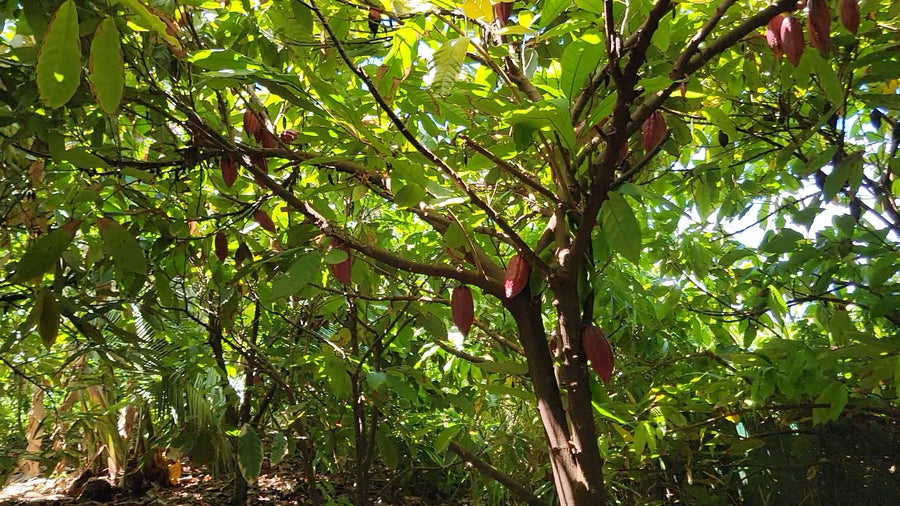
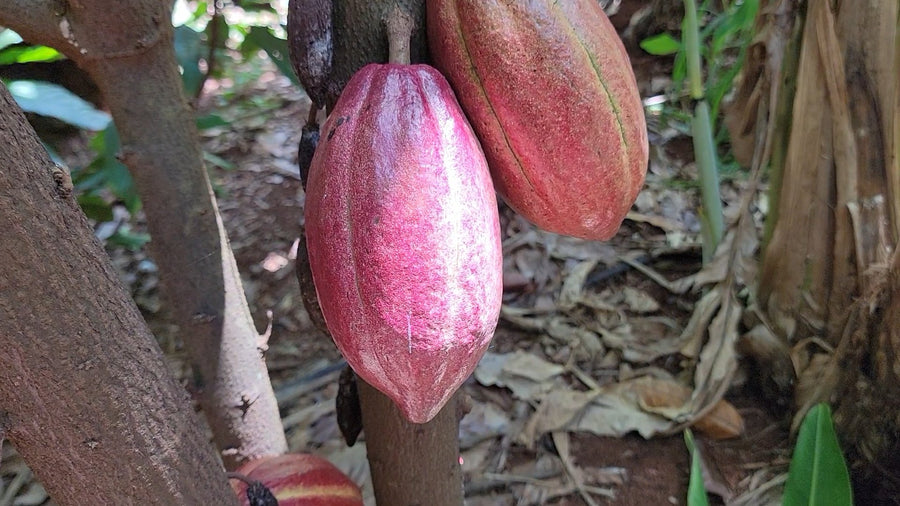
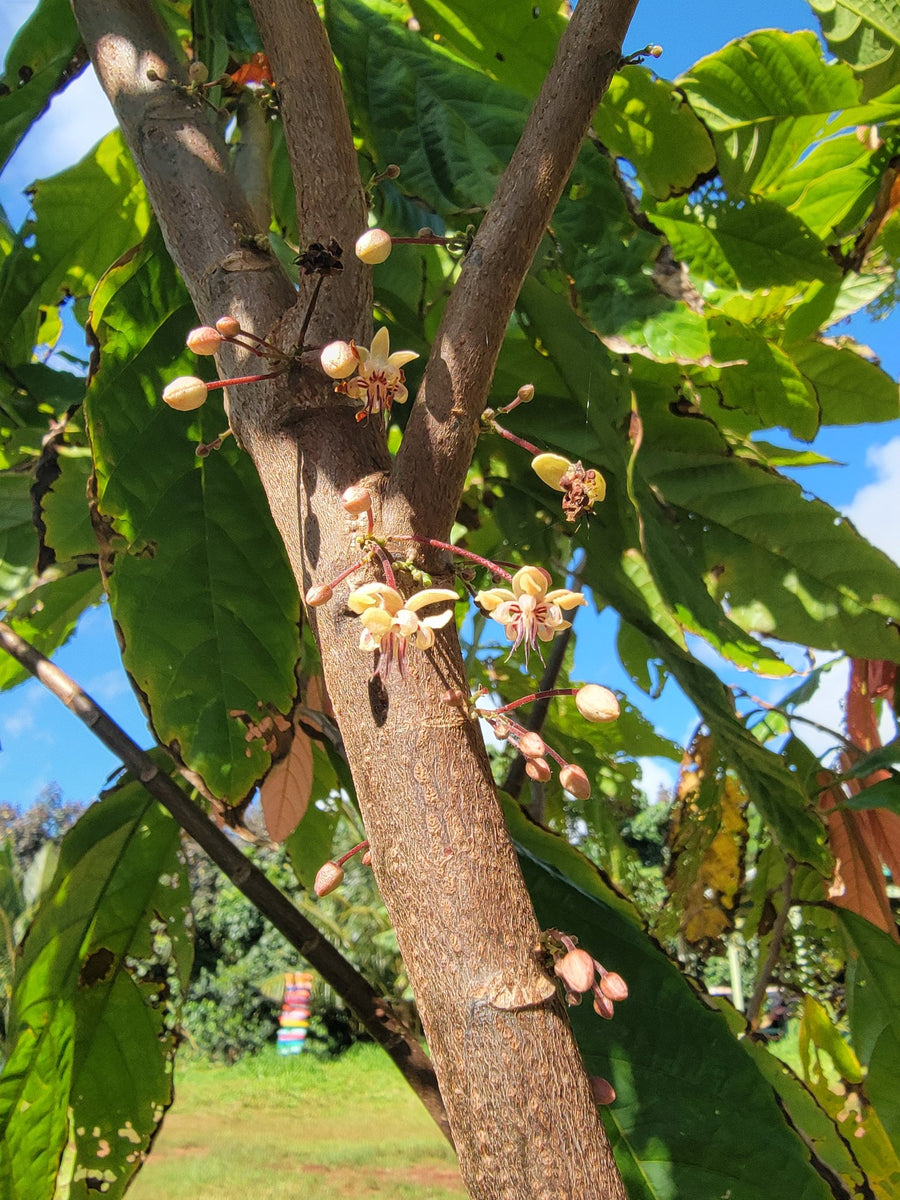
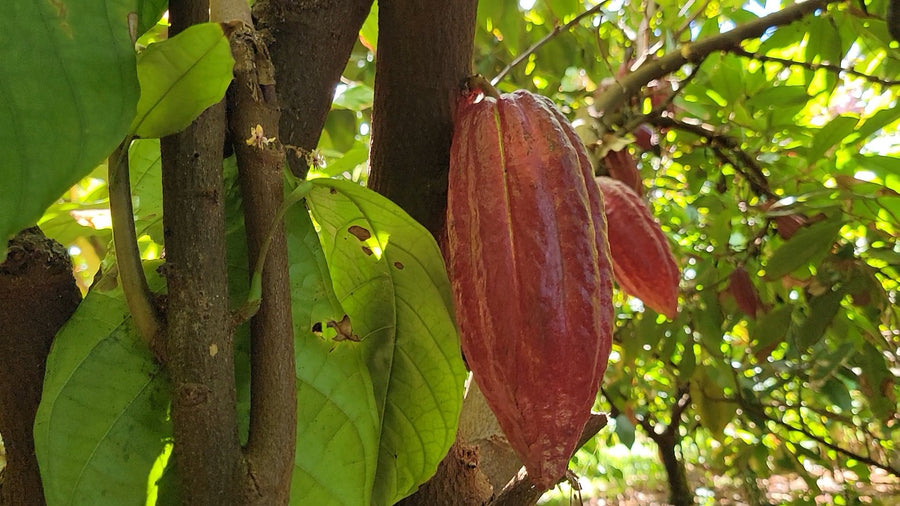
Raw, as it grows
This is cacao before it became chocolate
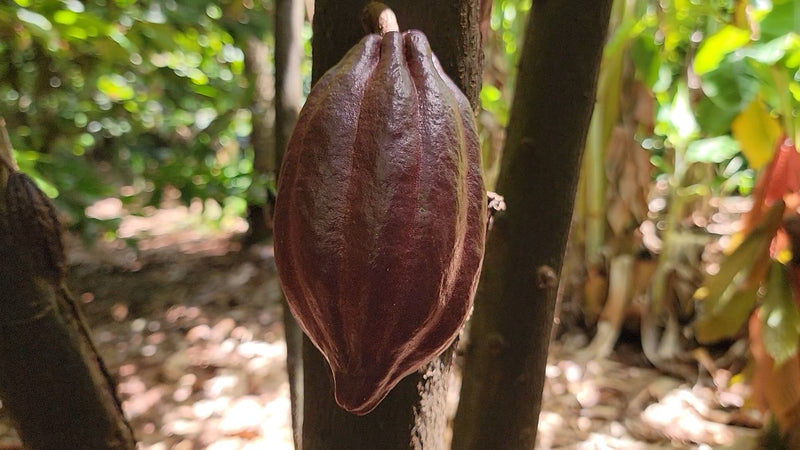
The seeds inside these pods are one of the most concentrated sources of flavanols in the human diet. Unfermented, their polyphenols reach 12–18% of dry weight. Their violet color comes from anthocyanins, their bitterness from the same epicatechin and procyanidins behind two decades of clinical research, and their lift from theobromine.
Now compare. Researchers have noted that a typical candy bar holds about 40 mg of flavanols, while the Columbia memory study used 900 mg a day. The gap between those two numbers is the story of what processing takes away, and what preservation can keep.
Don't just eat chocolate. Explore cacao as a functional botanical.
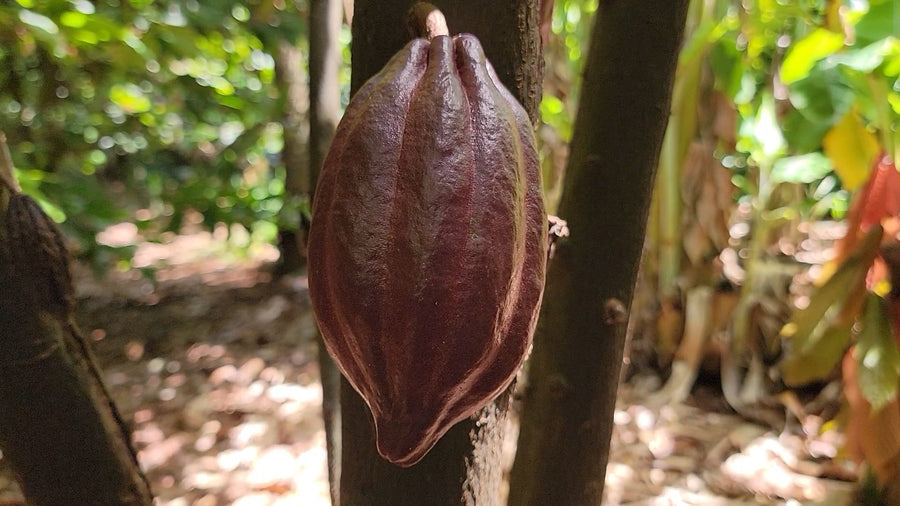
 never fermented
From cacao to formula
Preserve the chemistry. Concentrate what matters. Formulate with purpose.
Cacao doesn't need more hype. It needs better preservation, better standardization, better formulation and better delivery. Each Living Synergy formula pairs carefully selected raw cacao materials with a complementary partner, and each is built around a different expression of the cacao plant.
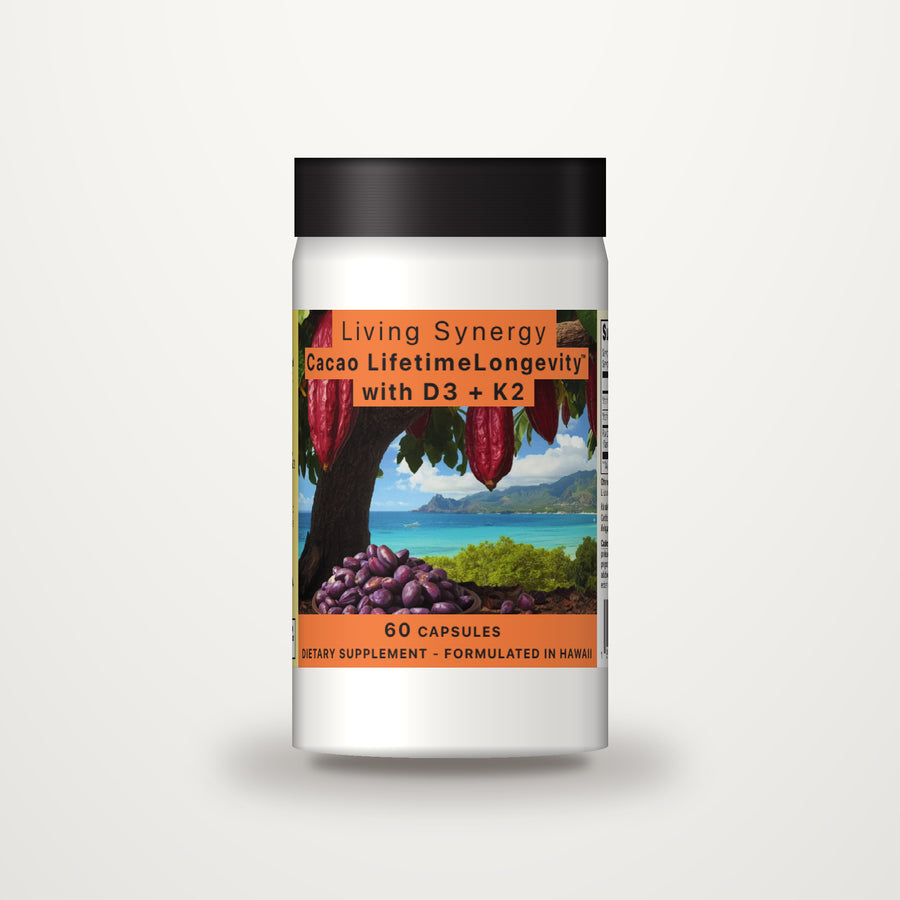
Heart & bones · 60 ct
Cacao LifetimeLongevity™ with D3 + K2
600 mg raw cacao seed powder with 5,000 IU Vitamin D3 and 50 mcg Vitamin K2 (MK-7). Raw cacao meets the nutrients that manage calcium: the long game for circulation and skeletal strength.*
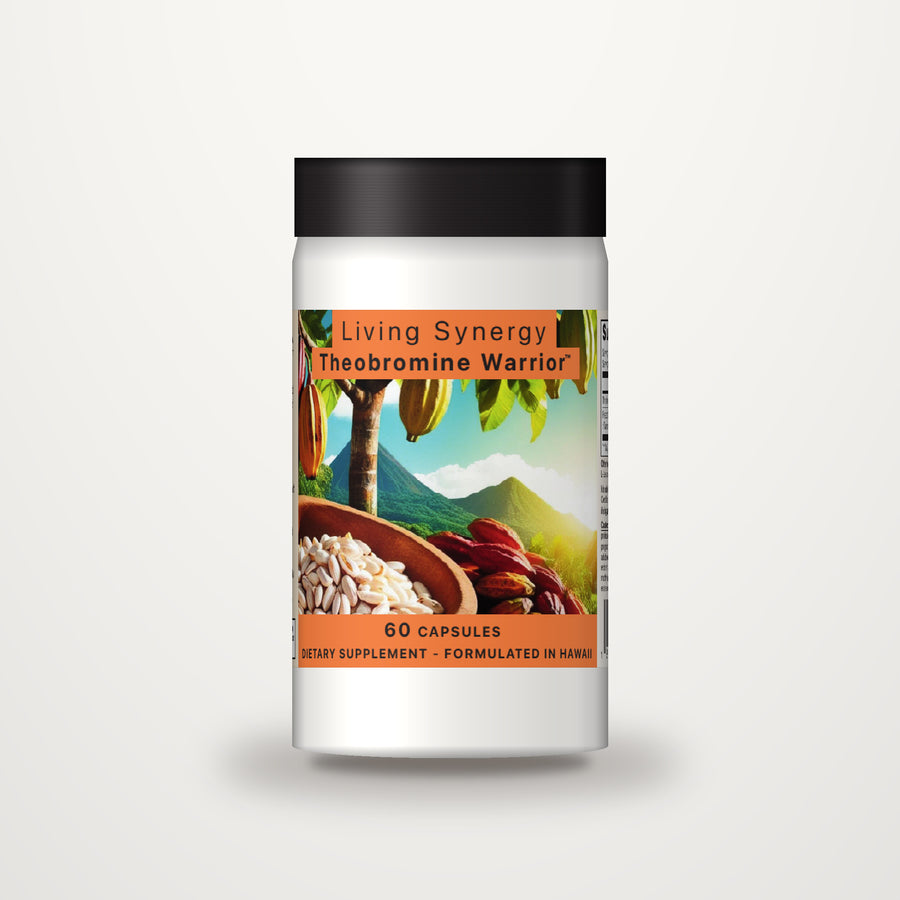
Energy & focus · 60 ct
Theobromine Warrior™
200 mg concentrated theobromine with 200 mg freeze-dried cacao mucilage. Cacao's signature molecule for smooth, sustained energy and alertness without the harsh peaks and crashes of caffeine.*
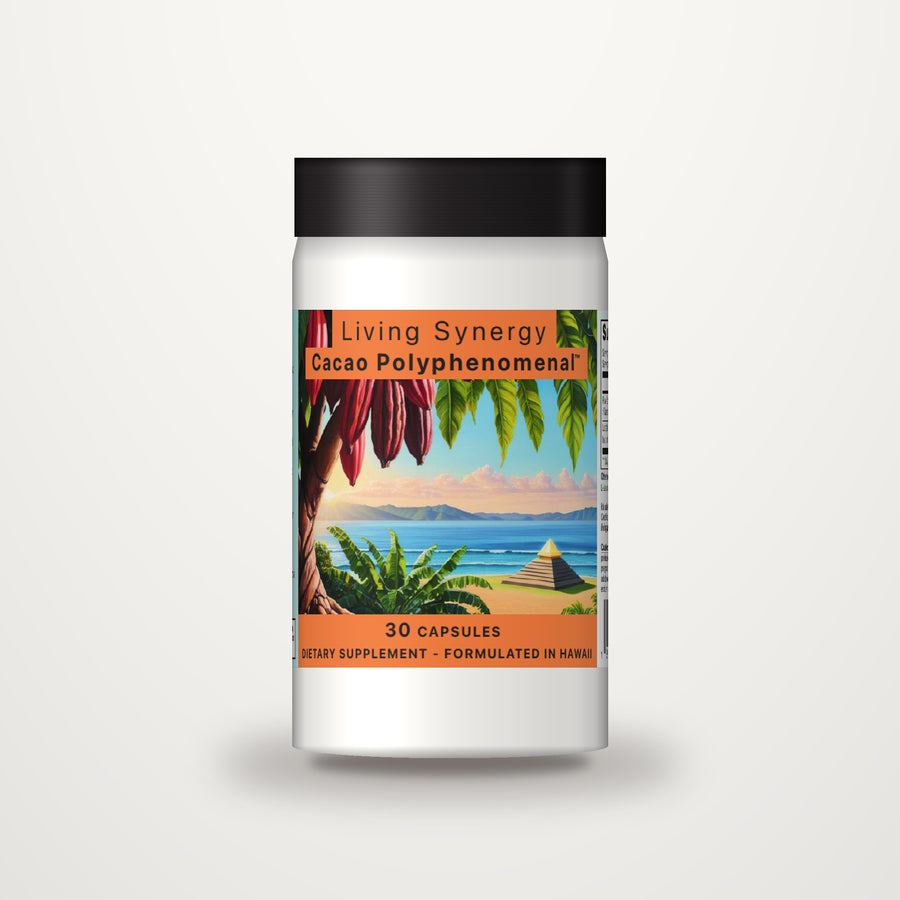
Brain & antioxidant · 30 ct
Cacao Polyphenomenal™
550 mg raw cacao seed powder with 100 mg luteolin. Cacao's polyphenol spectrum with a targeted botanical partner, for cognition, mood and cellular defense.*
*These statements have not been evaluated by the Food and Drug Administration. These products are not intended to diagnose, treat, cure or prevent any disease.